Rwenzori Mountains FAQs
Hikers, climbers, trekkers, and mountaineers interested in Mount Stanley, the highest peak in the Rwenzori Mountains, also known as the Mountains of the Moon, often have practical questions before planning an equatorial alpine adventure. Questions about the best time to visit, required experience, physical fitness, trekking routes, permits, equipment, weather, costs, safety and booking are among the most important considerations.
The Rwenzori Mountains offer a challenging trekking environment with steep ascents, high altitudes, changing weather, muddy trails, alpine landscapes and glaciers. For travellers preparing for a mountain adventure, understanding what to expect can make the planning process easier and help them choose an itinerary that matches their interests and level of preparation.
This Rwenzori Mountains FAQs guide brings together the common questions surrounding preparation, routes, equipment, conditions, experiences and tour booking to help hikers and mountaineers better understand what is involved in a Rwenzori trekking adventure.
When Is the Best Time to Visit the Rwenzori Mountains?
One of the most common questions from travellers planning a Rwenzori Mountains adventure is when to visit. The dry seasons from December to February and June to August are considered ideal for trekking because they provide an opportunity to avoid the heavy rains that can affect the mountain.
Choosing a suitable season can make a difference when dealing with the conditions on the trails. The Rwenzori Mountains are known for their variable weather, so travellers should still be prepared for changing conditions during their trek even when visiting during the preferred dry seasons.
The altitude is another important factor to consider when planning a visit. The mountains rise to high elevations, with Margherita Peak reaching 5,109 metres. This means that physical preparation is important, particularly for travellers planning longer or more demanding summit journeys.
Do You Need Previous Mountaineering Experience?
Travellers often want to know whether they need previous climbing or mountaineering experience before visiting the Rwenzori Mountains. For basic treks, no prior mountaineering experience is necessary, but a good level of physical fitness is essential because the terrain includes steep ascents and high altitude sections.
Physical preparation becomes particularly important when planning longer trekking routes or summit attempts. The mountain environment requires travellers to remain active for extended periods while dealing with changes in elevation and difficult sections of the trail.
Permits are also part of the preparation process. Permits are required through Uganda Wildlife Authority, and these are often handled by tour operators as part of the arrangements for the trek. Travellers planning an organised adventure can therefore discuss the necessary requirements with their chosen operator before beginning their journey.
Which Rwenzori Mountains Routes Can You Take?
The Rwenzori Mountains have several routes and trekking options, making route selection an important part of planning. Travellers commonly search for information about popular trails, summit durations, day to day itineraries and alternative routes before deciding which adventure is right for them.
The Bukurungu Route is favoured for its scenic variety and can take approximately 7 to 10 days to summit Mount Stanley. Travellers considering this route can expect a longer trekking experience that focuses on reaching the summit while taking in the changing mountain landscapes along the way.
The Central Circuit is another option, with treks lasting approximately 6 to 9 days. The route passes through locations such as Nyabitaba and John Matte. Shorter options are also available, including 3 to 5 day hikes to lower peaks such as Mount Speke, which reaches 4,890 metres.
What Equipment Do You Need for Rwenzori Trekking?
Knowing what to pack is another important part of preparing for the Rwenzori Mountains. The mountain contains a mixture of muddy sections, alpine zones and glacier areas, so travellers need equipment that is suitable for different environments encountered during the trek.
Gum boots are recommended for muddy sections of the trails, while warm layers are important for alpine zones where temperatures can become much colder. Travellers heading toward glacier areas may also need crampons, depending on the trekking route and conditions.
The type of equipment required will depend on the specific adventure being undertaken. A basic hike and a longer summit expedition can have different equipment requirements. Understanding the route and the terrain before departure can therefore help travellers prepare appropriately for the journey.
What Weather and Terrain Conditions Should You Expect?
The conditions in the Rwenzori Mountains can be unpredictable. Travellers should expect variable weather with rain, mud and snow on the peaks. These changing conditions are part of what makes preparation and appropriate equipment important before beginning the trek.
The trek moves through five vegetation zones, ranging from rainforest to glaciers. Along the way, travellers may encounter boardwalks, steep climbs and changing terrain as they move higher into the mountains. The different environments contribute to the distinctive character of the Rwenzori adventure.
The terrain can also make the trek physically demanding. The Rwenzori Mountains are described as one of Africa’s toughest trekking environments due to significant elevation gains and slippery paths. Elevation gains can reach 2,000 feet or more per day, creating an additional challenge for hikers and mountaineers.
What Makes the Rwenzori Mountains Experience Unique?
The Rwenzori Mountains provide an experience that goes beyond reaching a summit. Trekkers can encounter giant lobelias, equatorial glaciers and distinctive mountain landscapes during their journey. The changing vegetation and terrain create a varied experience as travellers move through the different altitude zones.
Personal stories from trekkers also highlight the unpredictable nature of the mountain. Some trekkers describe encountering weather conditions that make it necessary to turn back. These experiences demonstrate the importance of paying attention to conditions and making careful decisions during the trek.
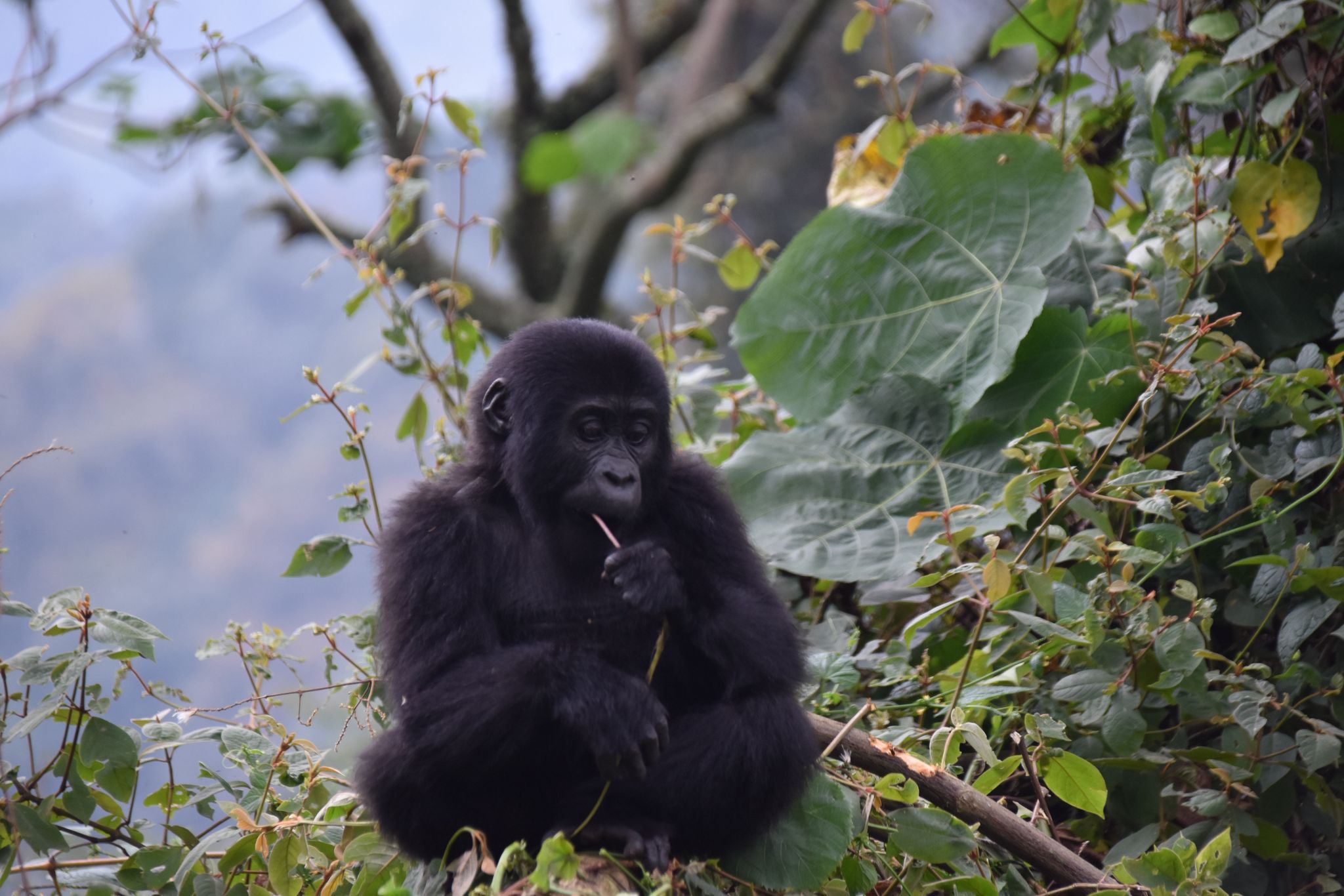
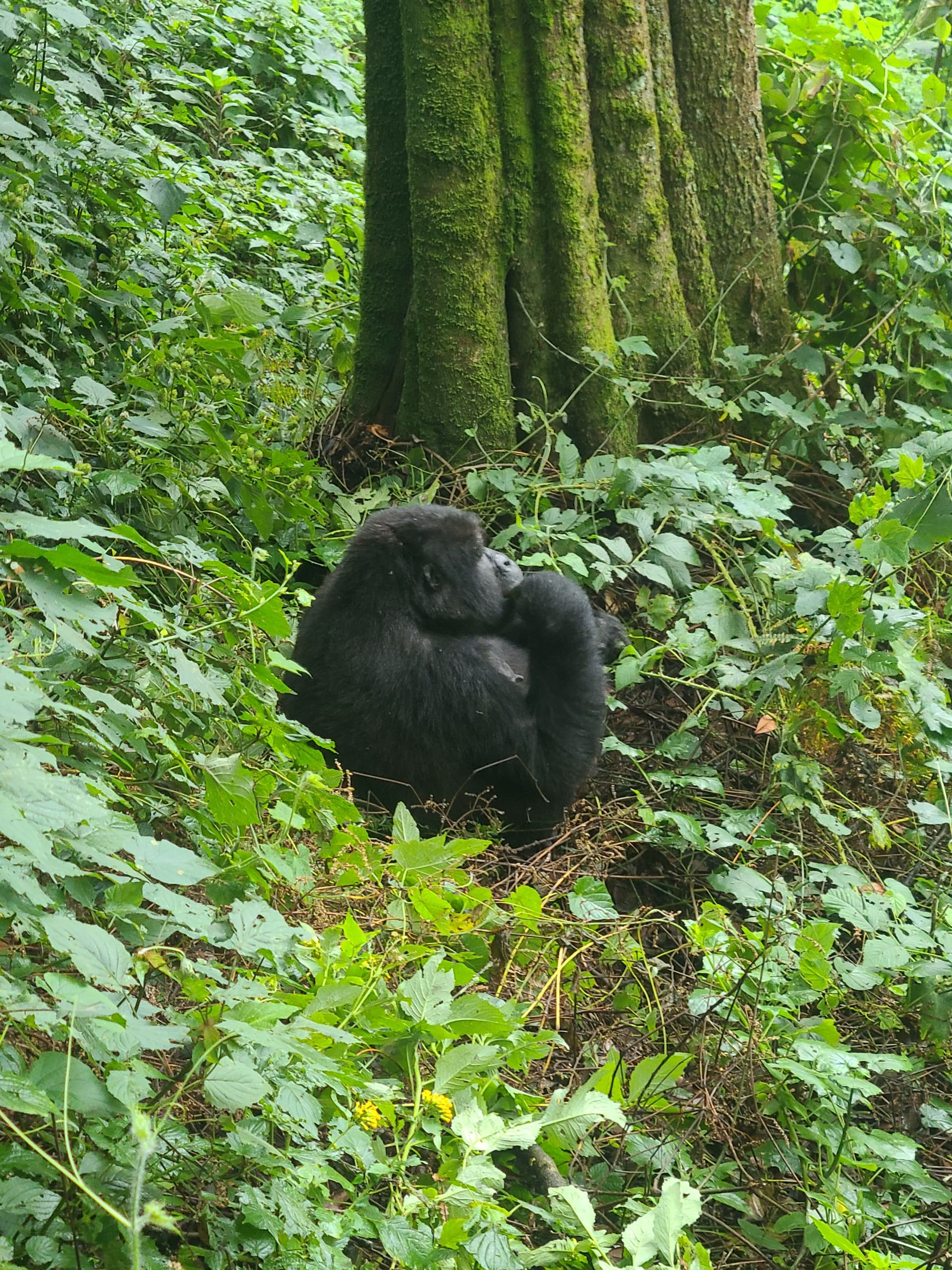
The Rwenzori Mountains can also be combined with other activities in Uganda. Many travellers combine their mountain experience with gorilla tracking in nearby Bwindi or visits to Queen Elizabeth National Park. This allows travellers to include mountain trekking alongside other experiences during a wider Uganda adventure.
What Safety and Preparation Tips Should Trekkers Know?
Preparation is important before beginning a Rwenzori Mountains trek. Travellers should understand the physical demands of the route, prepare for variable weather and ensure they have the appropriate equipment for the environment they will encounter.
Safety advice for trekkers includes not hiking alone, carrying location devices and pacing yourself throughout the journey. Maintaining a sensible pace is particularly important when dealing with steep terrain and significant changes in elevation.
Trekkers should also take the mountain conditions seriously. Rain, mud, slippery paths and high altitude can affect the experience, and weather conditions can change during the journey. Being prepared and paying attention to the conditions can help travellers approach the adventure more carefully.
How Do Tour Operators Help With Rwenzori Trekking?
Travellers searching for Rwenzori Mountains trekking opportunities often come across operators that offer customised mountain trips. Tour operators can help travellers organise the practical aspects of their adventures, including permits, routes and other trekking arrangements.
Searches often lead travellers to operators such as Rwenzori Expeditions or Gorilla Tours for customised trips. Discussions also cover companies offering climbs involving multiple peaks such as Mount Stanley and Mount Baker.
When considering a trekking package, travellers can look at the route, duration, support arrangements, equipment requirements and overall itinerary. Different adventures may focus on different peaks and trekking experiences, so understanding the details of each package is important before booking.
Rwenzori Mountains FAQs
What are the Rwenzori Mountains also known as?
The Rwenzori Mountains are also known as the Mountains of the Moon.
What is the highest peak in the Rwenzori Mountains?
Mount Stanley is identified in the client information as the highest peak in the Rwenzori Mountains, while Margherita Peak reaches 5,109 metres.
When is the best time to trek the Rwenzori Mountains?
The dry seasons from December to February and June to August are considered ideal for trekking to avoid heavy rains.
Do I need previous mountaineering experience?
No prior mountaineering experience is necessary for basic treks, but good physical fitness is essential because of the steep ascents and high altitudes.
Do I need a permit to trek the Rwenzori Mountains?
Yes. Permits are required through Uganda Wildlife Authority, and tour operators often handle the arrangements.
How long does a Rwenzori trek take?
The duration depends on the route. The Bukurungu Route can take approximately 7 to 10 days to summit Mount Stanley, while Central Circuit treks can last approximately 6 to 9 days. Shorter hikes can take around 3 to 5 days.
What is the Bukurungu Route?
The Bukurungu Route is a Rwenzori trekking route favoured for its scenic variety and can take approximately 7 to 10 days to summit Mount Stanley.
What is the Central Circuit?
The Central Circuit is a popular Rwenzori trekking route where treks can last approximately 6 to 9 days and pass through areas such as Nyabitaba and John Matte.
Can I take a shorter Rwenzori hike?
Yes. Shorter options include 3 to 5 day hikes to lower peaks such as Mount Speke.
What should I pack for the Rwenzori Mountains?
Gum boots are recommended for muddy sections, warm layers are important for alpine zones, and crampons may be needed for glacier areas.
What weather should I expect?
Travellers should expect variable weather, including rain, mud and snow on the peaks.
How difficult is Rwenzori trekking?
The Rwenzori Mountains are considered one of Africa’s toughest trekking environments because of steep climbs, slippery paths, changing weather and significant elevation gains.
What vegetation can be found along the trek?
The trek passes through five vegetation zones, ranging from rainforest to glaciers.
What can I see during a Rwenzori trek?
Travellers can experience giant lobelias, equatorial glaciers and different mountain landscapes as they move through the various vegetation zones.
Can I combine Rwenzori trekking with other Uganda activities?
Yes. Many travellers combine Rwenzori trekking with gorilla tracking in Bwindi or visits to Queen Elizabeth National Park.
Is it safe to hike the Rwenzori Mountains alone?
The provided guidance recommends not hiking alone. Trekkers should also consider carrying location devices and pacing themselves carefully for safety.
How much does a Rwenzori trek cost?
The client information states that guided tours can cost around $1,700 or more per person for a 7 to 8 day Margherita Peak climb, including fees. Porters and cooks are typically provided.
Are porters and cooks provided?
Porters and cooks are typically provided as part of organised trekking arrangements.