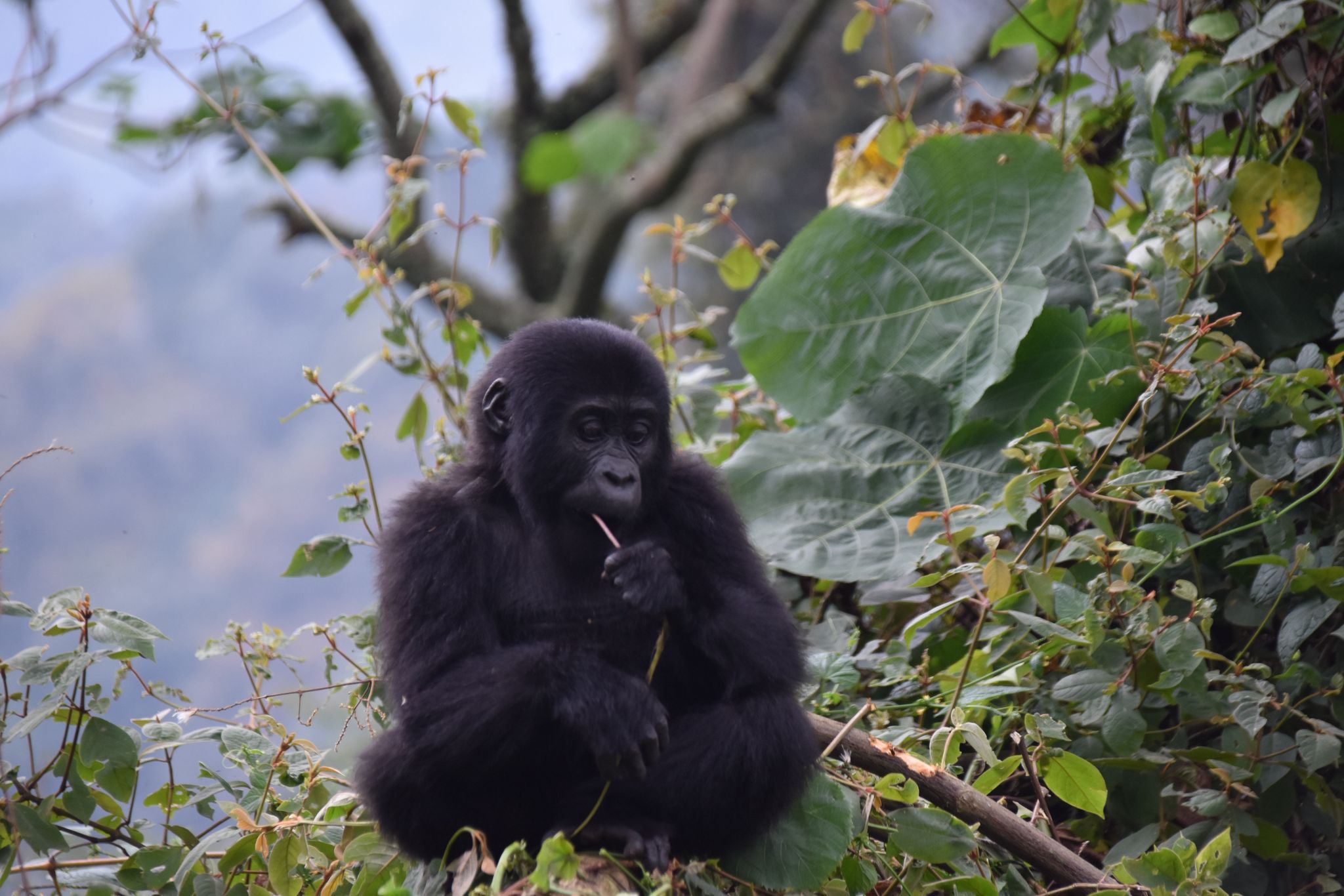
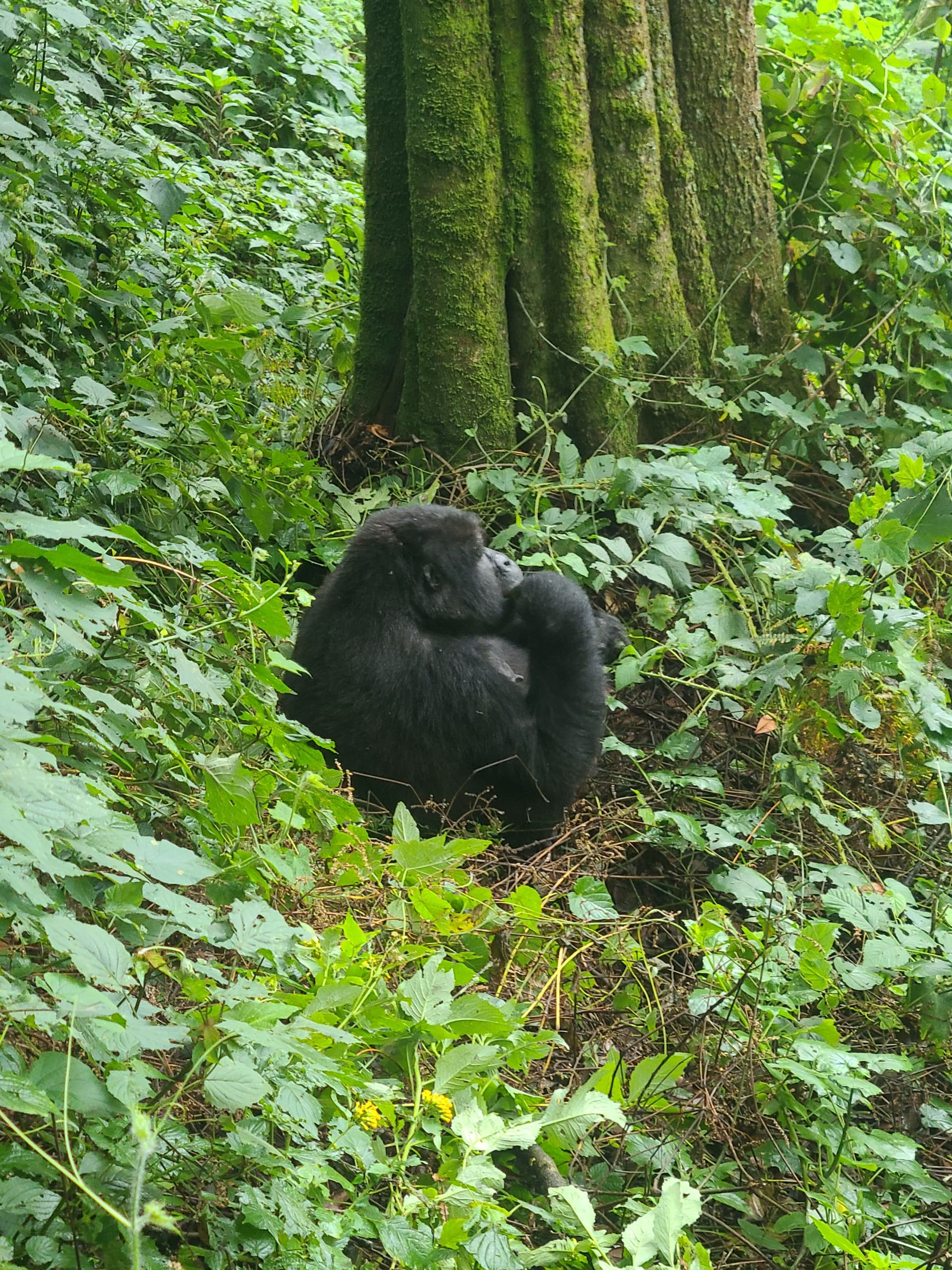
Why Protecting Uganda’s Mountain Gorillas Matters
Gorilla conservation in Uganda plays an important role in protecting mountain gorillas and the forest habitats they depend on. Uganda is home to mountain gorillas in Bwindi Impenetrable National Park and Mgahinga Gorilla National Park, where conservation efforts focus on protecting wildlife, maintaining forest habitats and supporting communities living around these protected areas.
Mountain gorilla conservation involves more than protecting the animals inside the forest. It also depends on effective park management, cooperation across national borders, community involvement and responsible tourism. For travelers planning a Uganda safari, gorilla trekking provides an opportunity to experience these remarkable primates while contributing to a tourism system connected to conservation.
Protecting mountain gorillas also means protecting the wider forests and ecosystems where they live. These habitats support many other species and provide important natural resources for surrounding communities. Continued conservation therefore benefits both wildlife and the broader environment.
The Plight of Mountain Gorillas
Mountain gorillas have faced serious threats over the years, including habitat pressure and human activities around their natural environment. Their survival depends on protecting the forests where they live and maintaining suitable conditions for feeding, movement and reproduction.
Conservation efforts have contributed to the recovery of mountain gorilla populations. The global mountain gorilla population has increased to more than 1,000 animals, with Uganda forming part of the protected habitat where these remarkable primates continue to live.
The progress made through mountain gorilla conservation shows why continued protection is important. Conservation work must continue to address pressure on natural habitats while ensuring that communities and tourism remain part of a responsible approach to protecting gorillas.
Gorilla Conservation in Uganda: Key Initiatives
Gorilla conservation in Uganda involves several organizations and approaches working together to protect mountain gorillas and their habitats. Protected area management, wildlife monitoring, community programs and regional cooperation all contribute to this work.
Uganda Wildlife Authority
The Uganda Wildlife Authority manages Uganda’s national parks and other protected areas, including Bwindi Impenetrable National Park and Mgahinga Gorilla National Park.
Gorilla trekking permits form part of the tourism system surrounding these protected areas. Tourism also creates employment and business opportunities for guides, porters, drivers, accommodation providers and other people working in the tourism sector.
Park management and conservation activities help protect wildlife and maintain the natural environments where mountain gorillas live.
International Gorilla Conservation Programme
Mountain gorillas live within a landscape that extends across Uganda, Rwanda and the Democratic Republic of Congo. Cooperation between countries is therefore an important part of protecting the species.
The International Gorilla Conservation Programme supports mountain gorilla conservation across these countries and promotes cooperation around the wider habitat.
Regional cooperation allows conservation efforts to address the wider ecosystem rather than treating each protected area as an isolated environment.
Community Conservation Programs
Communities surrounding Uganda’s gorilla habitats have an important role to play in conservation. Community programs can create awareness about wildlife protection while providing opportunities for local people to benefit from tourism.
When communities have a connection to tourism and conservation, there is greater opportunity to build shared responsibility for protecting forests and wildlife.
How Gorilla Trekking Supports Conservation in Uganda
Gorilla trekking is closely connected to conservation in Uganda because tourism creates economic value around protected gorilla habitats.
Visitors who take part in gorilla trekking pay for permits and use services provided by guides, porters, drivers, accommodation providers and other tourism businesses. This creates a network of economic activity around gorilla trekking destinations.
Tourism can also provide communities with opportunities to benefit from visitors coming to see mountain gorillas. These connections make responsible tourism an important part of the wider conservation system.
For travelers, this means that a gorilla trekking experience is not only about spending time with mountain gorillas. It also takes place within a protected environment where tourism, conservation and local communities are connected.
Protecting Uganda’s Gorilla Habitats
Protecting mountain gorillas requires protecting the forests where they live. These forests provide food, shelter and space for gorillas while also supporting many other species.
Uganda’s gorilla habitats are protected through national parks and conservation programs that focus on maintaining the natural environment and managing activities around protected areas.
Bwindi Impenetrable National Park
Bwindi Impenetrable National Park is one of Uganda’s most important mountain gorilla habitats and one of the country’s leading gorilla trekking destinations.
The forest provides habitat for mountain gorillas as well as numerous other species. Protecting Bwindi therefore supports the wider ecosystem while creating opportunities for responsible tourism.
Gorilla trekking in Bwindi allows visitors to enter the forest under established regulations and experience mountain gorillas in their natural environment.
Mgahinga Gorilla National Park
Mgahinga Gorilla National Park is another important destination for gorilla trekking in Uganda. The park forms part of the wider Virunga landscape, which extends across Uganda, Rwanda and the Democratic Republic of Congo.
The park’s location makes regional cooperation particularly important for mountain gorilla conservation. Protecting the habitat within Uganda also contributes to the wider conservation of the Virunga mountain gorilla population.
The Role of Local Communities in Gorilla Conservation
Successful gorilla conservation in Uganda depends on more than national parks and wildlife authorities. People living around protected areas are also closely connected to the future of these habitats.
Communities can experience both opportunities and challenges from living near wildlife areas. Conservation programs therefore need to consider local livelihoods while encouraging protection of natural resources.
Tourism Revenue and Local Benefits
Gorilla tourism creates demand for accommodation, transportation, guiding, portering, food, crafts and other services. These activities provide opportunities for local people and businesses around gorilla trekking destinations.
When tourism creates meaningful local economic opportunities, communities can benefit from the continued interest in protecting Uganda’s gorilla habitats.
Community Conservation Awareness
Conservation awareness helps communities understand why mountain gorillas and their habitats need protection. Education and community engagement can encourage responsible use of natural resources and greater understanding of wildlife protection.
Local involvement is particularly important because communities live close to protected areas and interact with the wider environment on a daily basis.
Challenges Facing Gorilla Conservation in Uganda
Although important progress has been made, gorilla conservation in Uganda remains an ongoing responsibility. Protecting mountain gorillas requires continued management of their habitats and cooperation between conservation authorities, communities and tourism stakeholders.
Habitat Pressure
Mountain gorillas depend on forest habitats for their survival. Maintaining these forests and managing pressure around protected areas remain important conservation priorities.
Protecting the boundaries and ecological integrity of gorilla habitats helps maintain the conditions required by mountain gorillas and other forest species.
Human and Wildlife Interaction
Communities living close to protected areas may experience challenges connected to wildlife and access to natural resources. Conservation programs need to consider these challenges while maintaining protection for wildlife.
Community engagement can help create better understanding between conservation authorities and people living around protected areas.
Maintaining Long Term Conservation Support
Gorilla conservation requires continued financial, institutional and community support. Protected areas need effective management, while conservation programs require resources to continue their work.
Responsible tourism can contribute to this wider system by creating economic value around protected areas and encouraging travelers to support destinations that prioritize wildlife protection.
How Travelers Can Support Gorilla Conservation
Travelers can make responsible choices that support conservation during a gorilla trekking safari in Uganda. Respect for wildlife, local communities and protected areas should remain an important part of the experience.
Choose Responsible Safari Operators
Choose a safari operator that follows gorilla trekking regulations and works with licensed guides and established tourism services.
A responsible safari operator should also provide travelers with clear information about appropriate behavior during gorilla trekking.
Follow Gorilla Trekking Guidelines
Gorilla trekking takes place under specific rules designed to protect both visitors and gorillas. Travelers should listen carefully to their guides and follow instructions throughout the trek.
Maintaining the required distance from gorillas, avoiding unnecessary noise and following park regulations are important parts of responsible gorilla trekking.
Support Local Communities
Travelers can support local communities by using local tourism services and purchasing appropriate locally made products.
Choosing locally owned accommodation, using local guides and porters where available and supporting community businesses can help tourism benefits reach people living around gorilla destinations.
Respect Wildlife and Forest Habitats
Visitors should avoid disturbing wildlife or damaging the environment during their safari. The forest is the home of the gorillas and should be treated with care throughout the trekking experience.
Responsible behavior helps protect the quality of the visitor experience while supporting the wider goal of conserving Uganda’s gorilla habitats.
The Future of Gorilla Conservation in Uganda
The future of gorilla conservation in Uganda depends on continued protection of mountain gorillas and the forests where they live. Effective protected area management, community participation, responsible tourism and regional cooperation will remain important parts of this work.
Uganda’s experience shows how wildlife conservation and tourism can exist alongside community development. Gorilla trekking brings visitors to protected forest areas while creating economic activity around the destinations.
Continued investment in conservation can help ensure that mountain gorillas remain protected for future generations. Protecting their habitats also helps preserve the wider forests and biodiversity that make Uganda an important destination for wildlife and nature experiences.