Unraveling the Legend of the Mountains of the Moon: History and Myths of Rwenzori
The Mountains of the Moon
The Ancient Legend of the Mountains of the Moon
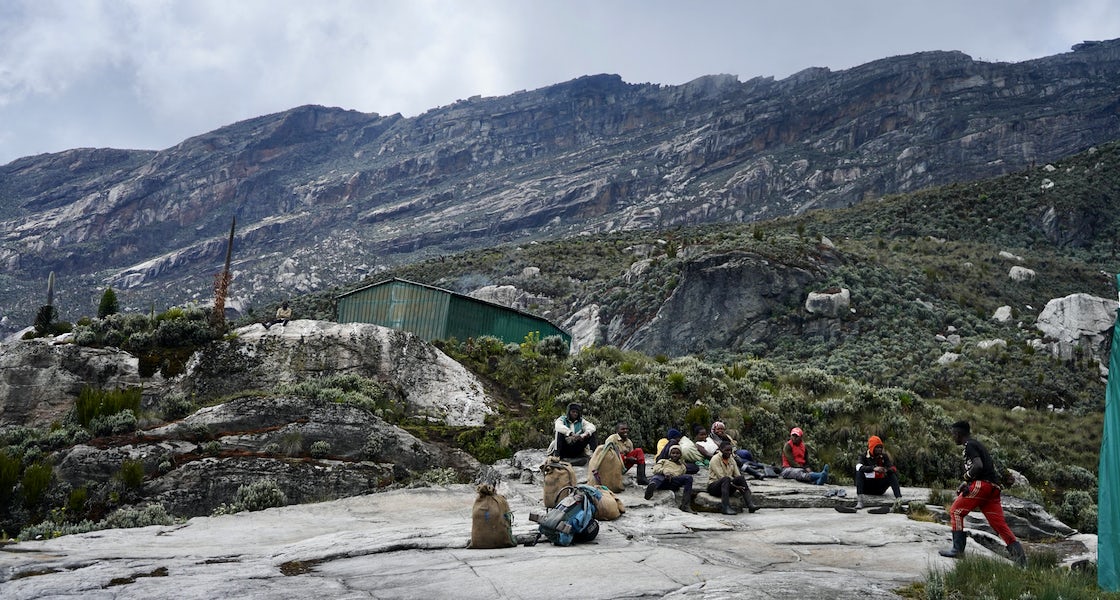
The term "Mountains of the Moon" originates from ancient Greek geographer Claudius Ptolemy in AD 150, who described a snow-capped range as the Nile's source. Local myths among the Bakonzo people portray the mountains as mystical realms where gods reside and extraordinary events unfold, including tales of creation and sacred snow as a deity's gift. These stories highlight the range's ethereal beauty, often shrouded in mist and clouds.
Historical Exploration and Discovery
European awareness of the Rwenzori began with explorer Henry Morton Stanley in 1888, confirming Ptolemy's ancient maps. The first major ascent occurred in 1906 by the Duke of the Abruzzi, who named Margherita Peak after Italy's queen. Indigenous communities have lived here for centuries, viewing the mountains as central to their spiritual life.
Myths and Cultural Impact
Folktales describe the Rwenzori as places of magic, with snow-capped peaks symbolizing purity and power. Ugandan myths link them to lunar cycles and fertility rites. Today, these legends inspire eco-tourism and cultural tours in Rwenzori National Park.
In summary, the legends of the Rwenzori Mountains enrich any visit to Mount Stanley or Margherita Peak. Embark on a cultural trek in Uganda to experience this magic firsthand.