The Geology and Formation of the Rwenzori Mountains: A Deep Dive
The Geology and Formation of the Rwenzori Mountains: A Deep Dive
Delve into the geological wonders of the Rwenzori Mountains, a non-volcanic range in Uganda that's home to Mount Stanley and Margherita Peak. This blog explores how these majestic peaks formed, their unique features, and why they're a must-visit for geology enthusiasts and hikers alike.
For Uganda's Vanishing Glaciers, Time Is Running Out - Yale E360Tectonic Origins and Formation Process
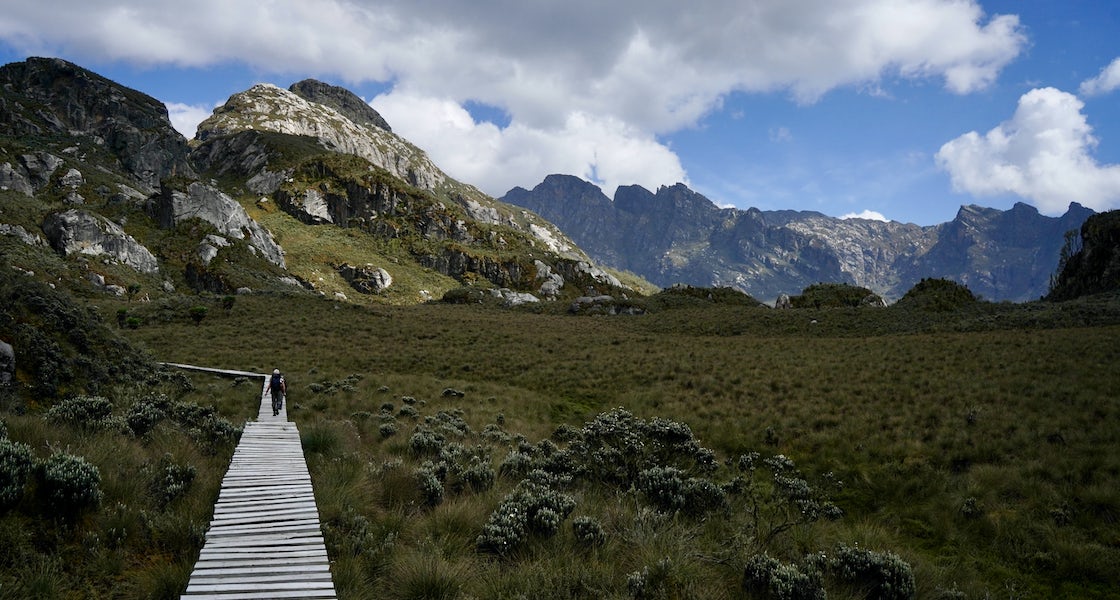
The Rwenzori Mountains formed over three million years ago through tectonic uplift in the East African Rift System, where massive rock blocks were thrust upward. Unlike volcanic giants like Kilimanjaro, they result from rift-mountain uplift, reaching heights over 5,000 meters. Ancient glacial evidence, like U-shaped valleys and moraines, indicates past ice ages.
Key Geological Features
Composed of gneiss, schist, amphibolite, and quartzite, the range features metamorphic rocks and a bend in the Western Rift Branch. Glaciers and high-altitude topography are shaped by erosion.
Modern Geological Challenges
Climate change accelerates glacial retreat, impacting water sources.
Wrap up your Uganda adventure with a geological tour of Rwenzori—book now for an educational hike to Margherita Peak.