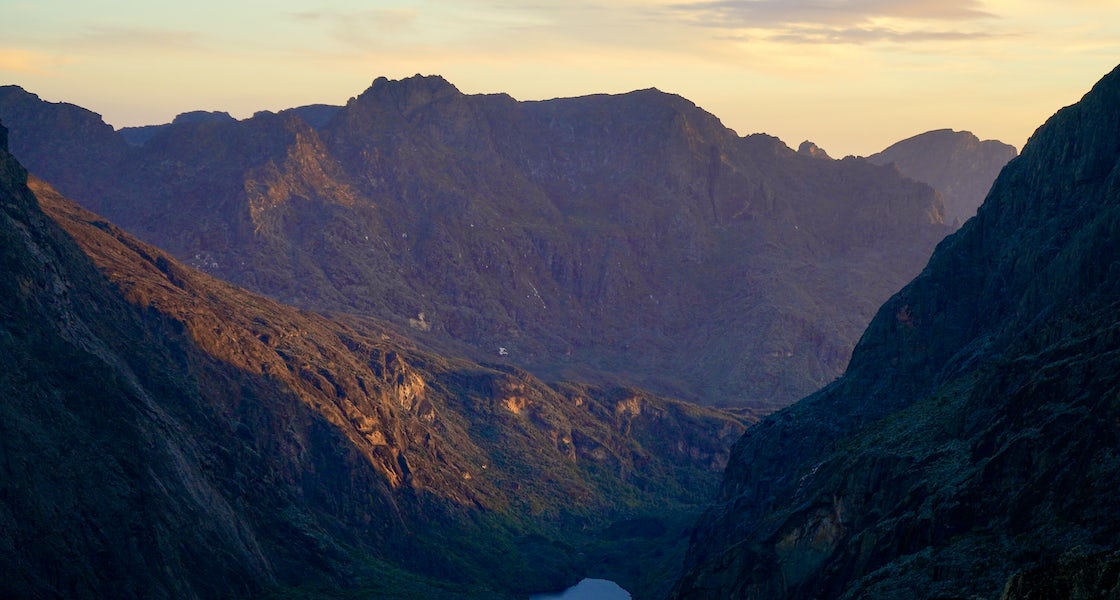
Discover the Majestic Rwenzori Mountains: Facts, Location, and Significance in Uganda
Are you ready to explore one of Africa's most enchanting natural wonders? The Rwenzori Mountains, often called the "Mountains of the Moon," stand as a testament to nature's grandeur on the border between Uganda and the Democratic Republic of the Congo. This UNESCO World Heritage Site is not just a hiking paradise but also a biodiversity hotspot with snow-capped peaks near the equator. In this detailed guide, we'll uncover key facts about the Rwenzori Mountains, their prime location, and why they hold immense significance for adventurers, conservationists, and locals alike. Whether you're planning a trek to Mount Stanley or Margherita Peak, understanding these basics will enhance your experience.
Rwenzori Mountains: Africa's surreal 'Mountains of the Moon'
Location and Geography of the Rwenzori Mountains
The Rwenzori Mountains are situated in eastern equatorial Africa, precisely on the border between Uganda and the Democratic Republic of the Congo. Spanning approximately 120 km in length and 65 km in width, this range is the largest in Africa and features six major peaks. The Ugandan side is primarily within Rwenzori Mountains National Park, a protected area that safeguards this unique ecosystem. Known for their non-volcanic origins, these mountains rise dramatically to over 5,000 meters, with Mount Stanley being the highest at 5,109 meters. Their proximity to the equator makes them a rare sight, where eternal snow meets tropical rainforests.
Key Facts About the Rwenzori Mountains
Here are some fascinating facts that highlight the uniqueness of the Rwenzori Mountains:
- Height and Peaks: Margherita Peak on Mount Stanley is Africa's third-highest point at 5,109 meters, following Kilimanjaro and Kenya.
- Biodiversity Hotspot: Home to rare flora and fauna, including giant lobelias and over 70 mammal species.
- Water Source: Often called the "rainmaker," these mountains feed into the Nile River, making them crucial for regional water supply.
- UNESCO Status: Designated a World Heritage Site for its outstanding natural beauty and ecological value.
The mountains' snow-capped summits and diverse vegetation zones—from montane forests to alpine meadows—create a surreal landscape that's perfect for eco-tourism.
Significance of the Rwenzori Mountains
Beyond their physical allure, the Rwenzori Mountains hold deep cultural and environmental importance. For local communities like the Bakonzo, they are sacred sites providing medicinal plants and supporting agriculture. Ecologically, they serve as a critical water catchment area, influencing weather patterns across East Africa. Tourism here boosts Uganda's economy while promoting conservation. However, challenges like climate change threaten their glaciers, emphasizing the need for sustainable practices.
In conclusion, the Rwenzori Mountains offer an unparalleled blend of adventure, history, and natural beauty. If you're seeking a less-crowded alternative to popular peaks like Kilimanjaro, plan your Uganda trek today. Book a guided tour to Mount Stanley or Margherita Peak for an unforgettable journey. Share your thoughts in the comments—what excites you most about the Rwenzori?